Cómo detectar si tu instalación fotovoltaica necesita mantenimiento
Una instalación solar bien ejecutada requiere poco mantenimiento, pero no por ello puede prescindir del seguimiento técnico. Con el paso del tiempo, el rendimiento de una planta fotovoltaica puede verse afectado por diversos factores. Detectarlo a tiempo es clave para evitar pérdidas de producción, problemas técnicos o incluso riesgos de seguridad.
En este artículo repasamos algunos signos que pueden indicar que tu instalación necesita una revisión, y explicamos cómo abordarlo de forma profesional.
Señales de que algo no va bien
1. Producción inferior a la esperada
Si notas que la factura eléctrica no ha bajado tanto como debería, o que los datos de producción no coinciden con lo estimado, puede haber una pérdida de rendimiento por suciedad, sombras, conexiones defectuosas o degradación de los paneles.
2. Alarmas en el inversor
Los inversores modernos suelen contar con sistemas de monitorización que indican fallos o caídas de rendimiento. No atender estas señales puede suponer un riesgo técnico o una pérdida prolongada de eficiencia.
3. Anomalías visibles
Cables sueltos, paneles sucios o desplazados, acumulación de hojas, oxidación de componentes… cualquier alteración visual es motivo suficiente para revisar el sistema.
4. No se ha revisado desde su instalación
Aunque no haya señales evidentes, una revisión periódica permite detectar fallos latentes y garantizar que todo funciona correctamente. En instalaciones industriales o de gran tamaño, este tipo de mantenimiento es especialmente recomendable.
¿Qué incluye una revisión profesional?
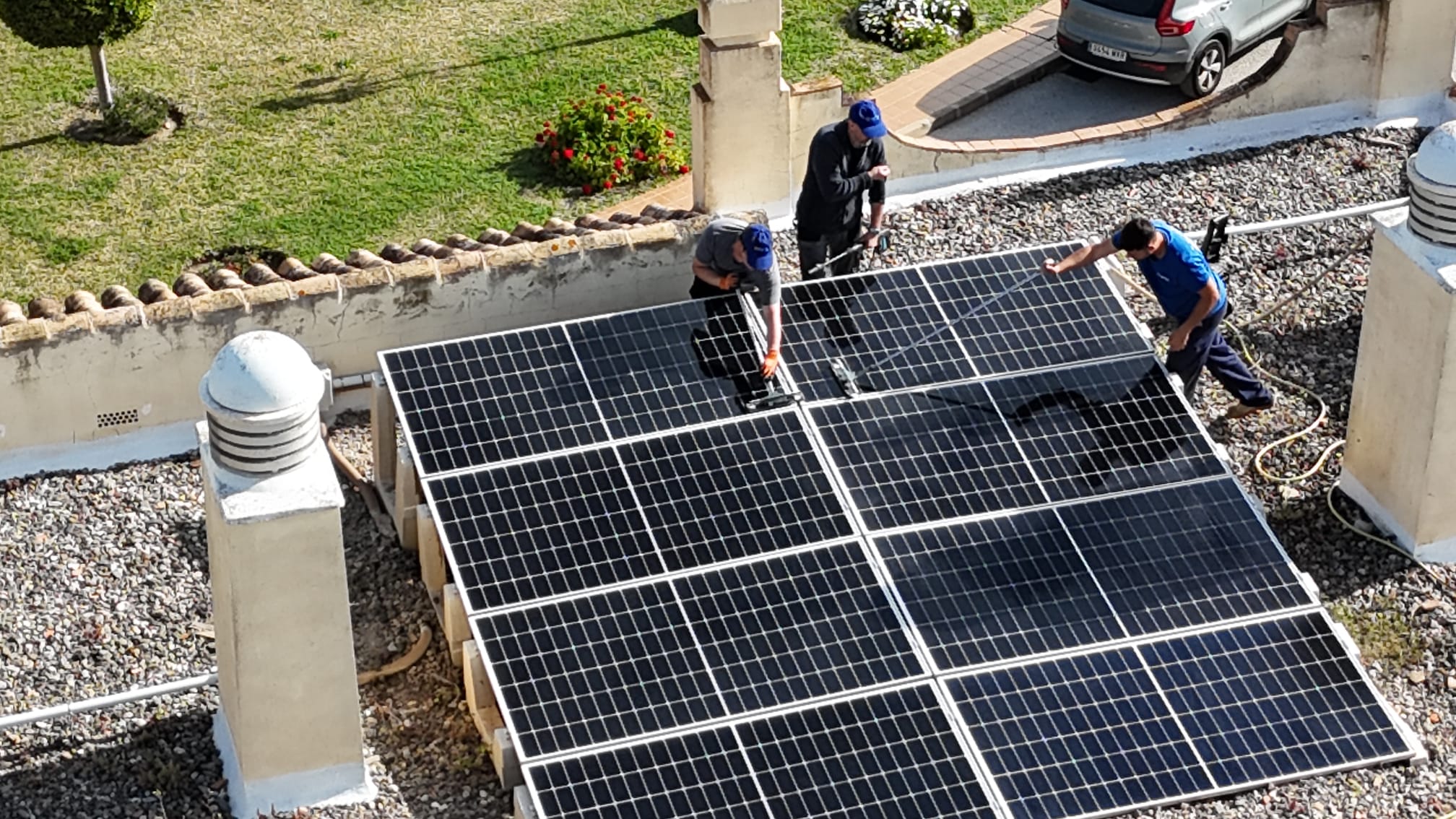
En 4Tenergy realizamos auditorías técnicas de instalaciones fotovoltaicas, que incluyen:
Inspecciones termográficas para detectar puntos calientes o conexiones defectuosas
Medidas I/V con trazador de curvas para comprobar el estado real de los paneles
Revisión de inversores, cableado, protecciones y anclajes
Comprobación del rendimiento general y del estado de limpieza
El objetivo es mantener la instalación funcionando de forma óptima, detectar problemas antes de que generen pérdidas y alargar la vida útil de los equipos.
Un sistema que se mantiene, se rentabiliza
Una instalación solar es una inversión a largo plazo. Su rendimiento depende no solo del diseño inicial, sino del cuidado y seguimiento que se le dé a lo largo del tiempo.
Contar con un mantenimiento profesional no solo garantiza seguridad y eficiencia, también asegura que los beneficios del autoconsumo se mantengan estables año tras año.
Locating the bores so they didn’t interfere with the building footprint was another challenge. The team successfully located 27 of the bores outside the footprint, with the remaining four bores falling underneath the building. Locating most of the bores outside of the building footprint kept the project on schedule, and limiting the number of bores beneath the foundation mat slab meant less impact to the deep foundation excavation activities.
The nearest neighboring building was just 15 feet away from the bore drilling. To mitigate disruption to abutting neighbors, our team distributed a two-week look ahead schedule and logistics plan every week to the neighboring buildings. Suffolk also posted regular updates on the project website to keep neighbors informed about upcoming drilling activities and held multiple Town Hall meetings with students and faculty who live and work near the site. These Town Hall meetings gave abutters the opportunity to become familiar with the project, meet the team and ask questions.
Locating the bores so they didn’t interfere with the building footprint was another challenge. The team successfully located 27 of the bores outside the footprint, with the remaining four bores falling underneath the building. Locating most of the bores outside of the building footprint kept the project on schedule, and limiting the number of bores beneath the foundation mat slab meant less impact to the deep foundation excavation activities.