Vivienda inteligente y ahorro energético: lo que necesitas saber
La tecnología en el hogar es clave para reducir el impacto ambiental y avanzar hacia una vivienda más eficiente. Automatizar tu casa no solo te aporta confort, sino también un ahorro energético real.
En este artículo te explicamos cómo la domótica aplicada puede ayudarte a mejorar la eficiencia energética de tu hogar, qué soluciones están disponibles y cómo empezar a implementarlas de forma escalable.
¿Qué convierte a una casa en una vivienda inteligente?
Una vivienda inteligente integra tecnologías de automatización para controlar sistemas como la climatización, iluminación, persianas, electrodomésticos y el consumo energético general. Todo puede gestionarse desde una app, asistentes de voz o mediante automatizaciones programadas.
Pero el verdadero valor está en optimizar el uso de recursos. Los sistemas domóticos actuales te permiten tomar decisiones energéticas más inteligentes: saber cuándo conviene encender o apagar dispositivos, ajustar la iluminación según la luz natural, o identificar los electrodomésticos que más consumen.
Beneficios reales de automatizar tu hogar
Automatizar tu casa tiene un impacto directo sobre el ahorro y la sostenibilidad. Algunas de las ventajas más relevantes:
Control de climatización eficiente: Adaptación automática de la temperatura en función de horarios, presencia o condiciones externas.
Iluminación inteligente: Reducción del gasto mediante sensores, regulación automática o programación horaria.
Gestión activa del consumo eléctrico: Monitorización en tiempo real para detectar ineficiencias y mejorar hábitos energéticos.
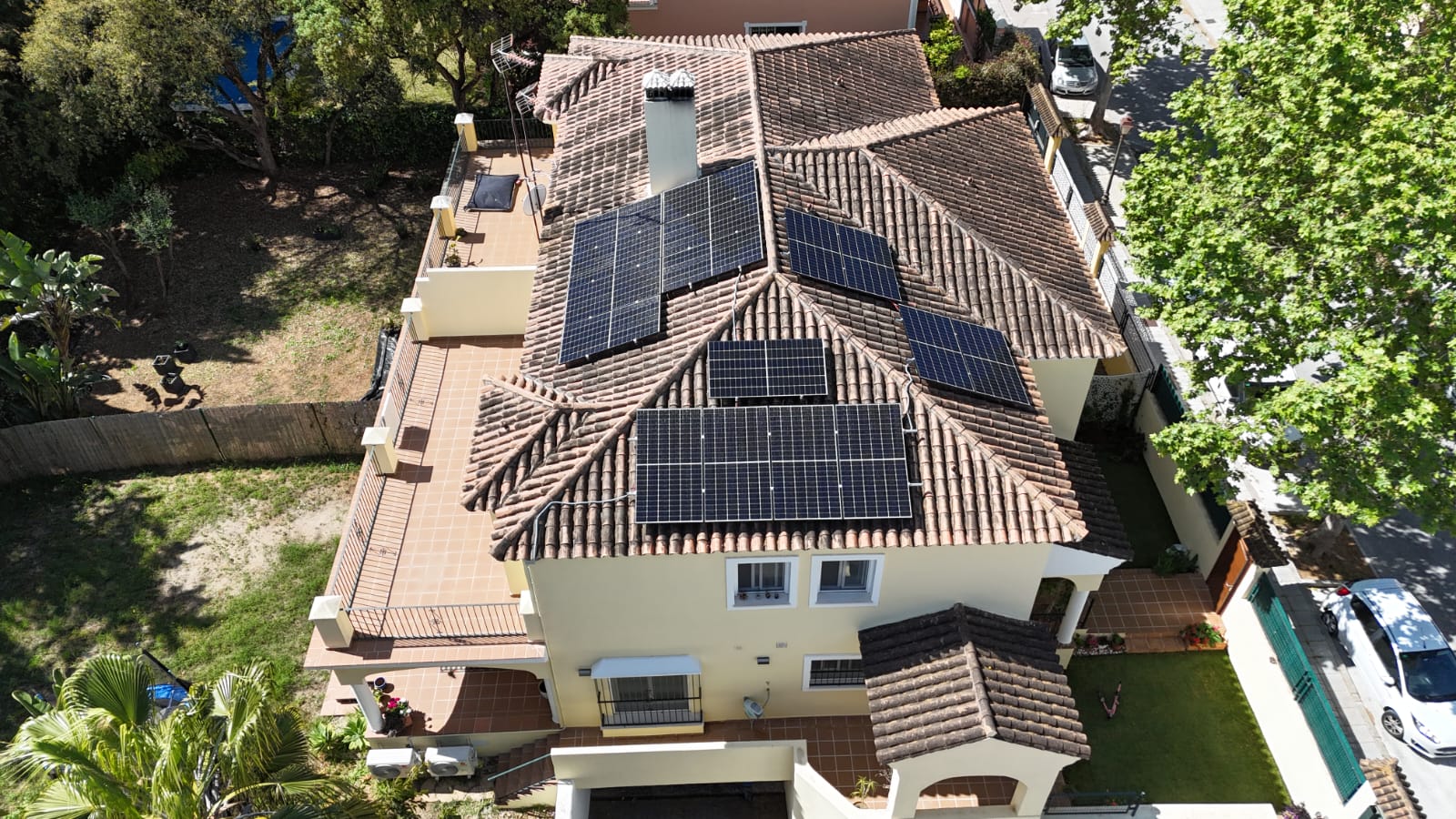
Aprovechamiento del autoconsumo solar: Si tienes placas solares, puedes maximizar su rendimiento ajustando los consumos a la generación.
Carga de vehículo eléctrico optimizada: Integración del punto de recarga con tu instalación domótica para cargar en horas valle o con excedentes solares.
Automatización a medida: Cada hogar es distinto, por eso es clave diseñar sistemas adaptados a tus hábitos, buscando eficiencia, confort y sostenibilidad.
¿Por dónde empezar si quieres automatizar tu casa?
Automatizar una vivienda no implica cambiarlo todo de golpe. Lo recomendable es empezar con lo esencial:
Control inteligente de climatización, por su alto impacto en el consumo.
Iluminación automatizada, fácil de instalar y eficaz para ahorrar.
Monitorización del consumo, para entender tus hábitos y planificar mejoras.
Compatibilidad con placas solares y otros sistemas inteligentes, como persianas o puntos de recarga.
En 4TEnergy apostamos por soluciones modulares y escalables, sin complicaciones técnicas, que se adaptan al crecimiento de tu vivienda inteligente.
Lo que NO deberías hacer al instalar sistemas inteligentes
Evita estos errores si quieres garantizar el buen funcionamiento y la eficiencia de tu sistema:
- No hacer un diagnóstico previo de consumo.
- Elegir sistemas sin escalabilidad.
- Descuidar la ciberseguridad.
- Prescindir de asesoramiento profesional.
Contar con especialistas te permite asegurar que cada componente cumple su función y que el sistema se adapta a tus hábitos y necesidades energéticas.
Una vivienda inteligente es mucho más que comodidad. Es eficiencia, ahorro y sostenibilidad.
En 4TEnergy diseñamos soluciones domóticas pensadas para hogares del presente y del futuro. Te ayudamos a automatizar tu vivienda de forma escalable, eficiente y con asesoramiento profesional.

Locating the bores so they didn’t interfere with the building footprint was another challenge. The team successfully located 27 of the bores outside the footprint, with the remaining four bores falling underneath the building. Locating most of the bores outside of the building footprint kept the project on schedule, and limiting the number of bores beneath the foundation mat slab meant less impact to the deep foundation excavation activities.
The nearest neighboring building was just 15 feet away from the bore drilling. To mitigate disruption to abutting neighbors, our team distributed a two-week look ahead schedule and logistics plan every week to the neighboring buildings. Suffolk also posted regular updates on the project website to keep neighbors informed about upcoming drilling activities and held multiple Town Hall meetings with students and faculty who live and work near the site. These Town Hall meetings gave abutters the opportunity to become familiar with the project, meet the team and ask questions.
Locating the bores so they didn’t interfere with the building footprint was another challenge. The team successfully located 27 of the bores outside the footprint, with the remaining four bores falling underneath the building. Locating most of the bores outside of the building footprint kept the project on schedule, and limiting the number of bores beneath the foundation mat slab meant less impact to the deep foundation excavation activities.